When a key breaks, a tenant moves on short notice, or a lock shows signs of failing, having a reliable Orlando locksmith on call saves time and stress. This piece lays out practical steps for emergency rekey work, explains trade-offs between rekeying and full replacement, and offers questions to ask any locksmith you call.
Local 24 hour locksmith Orlando for Commercial Emergency Rekey Today
When a business calls me for an emergency rekey, the first thing I check is whether the issue is access control or hardware failure. Knowing the goal up front keeps the job efficient and prevents unnecessary downtime for staff or customers.
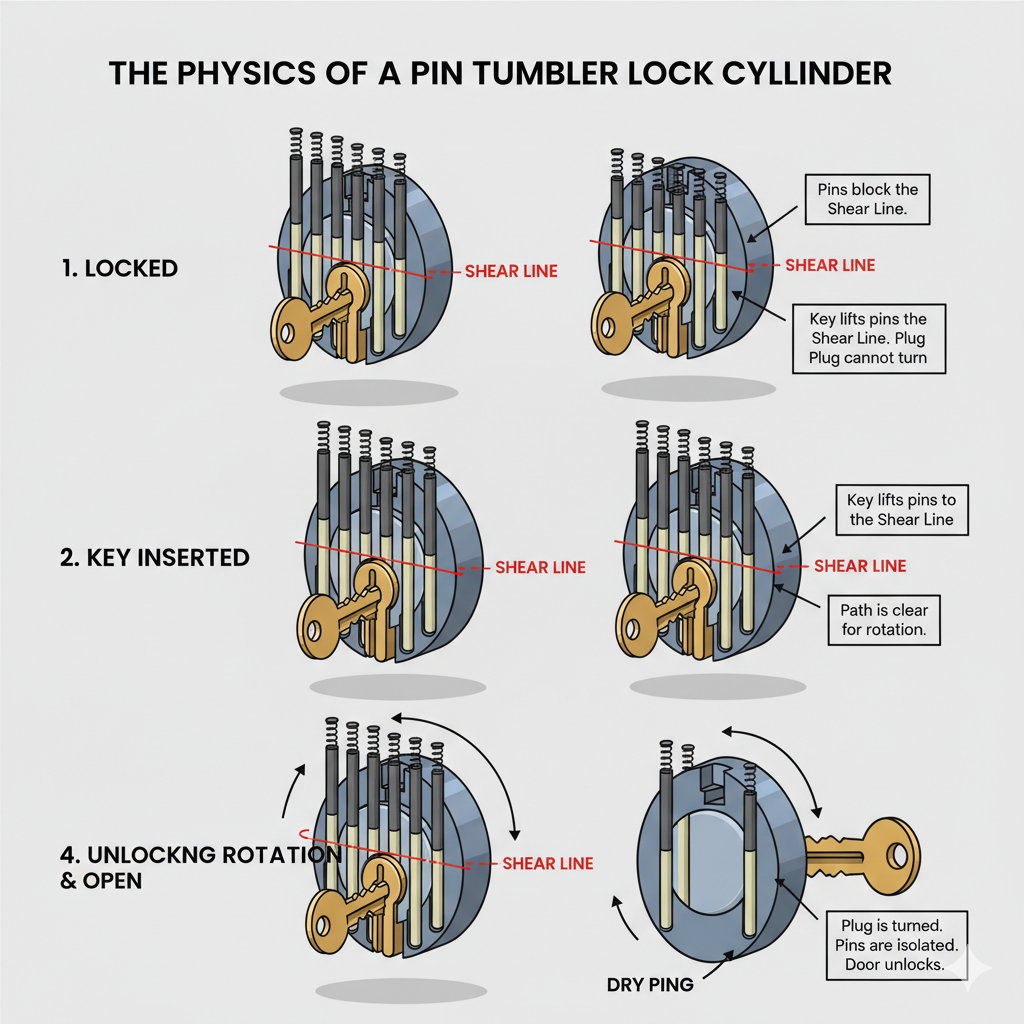
A rekey is often faster and cheaper than replacing entire locksets, but it is not always the right choice. You can rekey most mechanical locks in 10 to 30 minutes per cylinder when you have the right tools and schematics.
When I arrive on site for a commercial emergency, I always confirm identity and authorization before I touch anything. Acceptable proof varies, from company ID and a signed authorization letter to presence during a scheduled walk-through with management.
Selective rekeying of a master key system is trickier than rekeying stand-alone locks because you must preserve higher-level keys. Expect extra time or cost for reconstructing master key hierarchies, and be prepared to accept a staged approach if the system is large.
In some retail locations rekeying a handful of exterior doors solves the immediate problem and buys time for a planned upgrade. Weigh downtime, immediate cost, and long-term control when you choose between a fast rekey and a full replacement.
I also carry extractors for broken keys, tension tools for stubborn cylinders, and replacement deadbolt and latch hardware for common ANSI grades. If a lock is nonrepairable on location because of corrosion or vandalism, I can often fit a temporary cylinder to secure the door until permanent parts arrive.
That job required a key extraction followed by a rekey because the key was part of a lost key ring from a previous staffer. The total elapsed time was under an hour and the clinic stayed open for scheduled morning appointments.
How to vet a locksmith near me
Ask whether the locksmith is licensed to work in your county and whether they carry liability insurance and bond. Many reputable 24 hour locksmiths provide flat-rate pricing for common emergency tasks, and if a quote sounds vague ask for line-item details.
Prices can vary widely after hours, and I tell business owners to expect a premium but to watch for bait-and-switch tactics. I also recommend payment methods that offer receipts and dispute options, https://ameblo.jp/emergencylockhxjh222/entry-12959391775.html like card payments instead of cash.
If you run a chain or manage multiple sites, establish vendor agreements rather than calling ad-hoc for emergencies. A vendor relationship turns reactive calls into planned maintenance and reduces operational friction during true emergencies.
Mistakes I see in emergency locksmithing and how to prevent them
Using the wrong removal technique can damage a historic mortise lock or a custom strike, creating a bigger repair bill. When possible I use non-destructive removal and part swaps, and I document any compromises we make in the moment.
Another pitfall is poor key control after rekeying, where new keys are distributed without tracking. If a physical key program is necessary, order a small reserved stock of blanks and maintain a control policy for duplication.
Finally, avoid patchwork solutions that leave different doors with incompatible keying or hardware grades. I often recommend prioritizing exterior doors, storage rooms, and sensitive file rooms for standardization first.
Practical steps to reduce downtime after a lock problem
Create a brief emergency access plan that lists who can authorize work, where key copies are kept, and preferred vendors. Keep copies of master key charts, lock part numbers, and site photos in a secure digital folder accessible to managers.
Train staff on what to do when keys are lost or a door will not secure, and run a simple drill once a year. Designate who can authorize emergency rekeys to prevent unauthorized decisions that could expose the business to risk.
Often a $300 to $1,000 reserve per location covers the most common emergency parts and reduces expensive same-day procurement. Simple preventive work reduces frozen cylinders and broken keys, and it is cheap compared with emergency labor rates.
If you want a final practical checklist to hand to a manager, here are the essentials I recommend keeping at the ready. The result is less downtime and a single visit instead of multiple return trips.
A good locksmith will leave records of the rekey, key counts provided, and any recommended follow-up actions. The right relationship turns emergencies into managed events and keeps your business open and secure.