If you find yourself locked out of an office in Orlando after hours, experience matters as much as speed. I write from years on service calls where the mundane and the dramatic sit side by side, and I will walk through what to expect, what to ask, and how to decide under pressure.
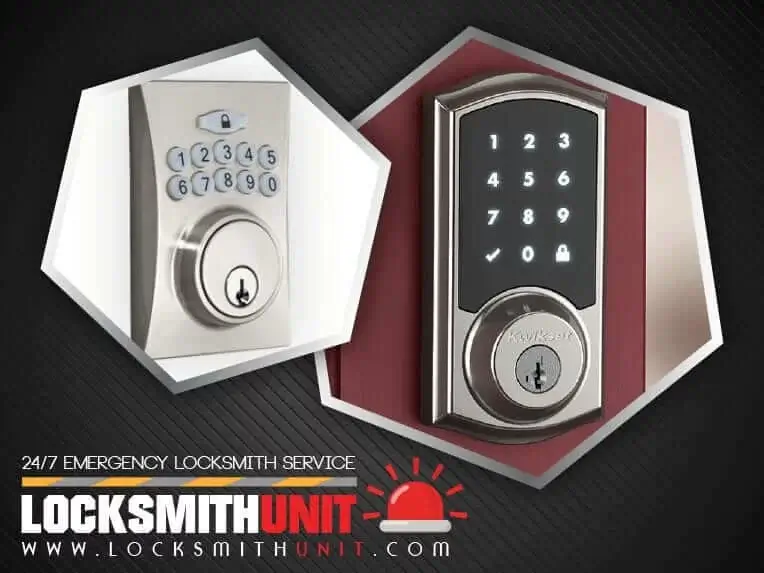
What makes an overnight locksmith call unique
Night calls reshape priorities because https://penzu.com/p/24fdfc1c6ce86c17 safety and speed outrank convenience. Experienced technicians will probe the building's alarm status, whether staff have badges, and if the property manager requires a callout approval. Fees go up because the technician is bringing the shop with them: heavy tools, specialty picks, and replacement hardware that might not be needed in a day call.
Questions that get you the right 24 hour locksmith fast
Clear facts let the dispatcher send the right technician with the right gear. If you have photos of the lock or the access control keypad, tell the dispatcher you can text them; that visual can avoid an unnecessary van roll. If your business uses a central monitoring station, give the locksmith the monitoring company name so the technician can coordinate unlocking without tripping notifications.
How technicians decide between non-destructive and destructive entry
A competent locksmith always starts with options that avoid damage. If a panic device is jammed or the latch is welded by corrosion, replacement on the spot maintains the building's fire and life safety compliance. Make the technician show you the minimal necessary work; ask whether a temporary fix will pass an inspection or if a full replacement is required to meet code.
Costs and timing you should expect for local commercial calls
Late-night service often includes a base call fee, a travel surcharge, and labor charged by the half hour or hour. A full cylinder replacement on a Schlage or similar commercial brand can cost materially more than rekeying, especially if you request keyed-alike service across multiple doors. Some companies give 30 to 45 minute ETAs in urban Orlando traffic; others staff technicians closer to commercial districts to promise 15 to 25 minutes.
Licenses and paperwork that matter during an emergency call
If you are not on site as the business owner, verify authorization through a manager or the monitoring company. Request a clear description of warranty terms for parts and labor and get an itemized receipt at the end of the job. Certified locksmiths tend to understand commercial codes, UL ratings, and ADA requirements, which reduces the chance of failing an inspection after a hurried repair.
When access control systems complicate a night call
A 24 hour locksmith who can only cut keys may not be able to diagnose a power supply fault, a controller failure, or a bad reader. Sometimes the issue is network-related and requires coordination with your IT team to restore the controller; a hybrid locksmith can bridge that gap. When a technician proposes a workaround that affects audit logs, make sure you understand the impact on event reporting and compliance.
Simple steps you can take now to reduce after-hours pain
Putting a few policies in place saves money and friction on the first after-hours problem. Annotate your building plan with lock types and access points, and provide your usual locksmith with a master keying diagram if you use a commercial master system. If you run extended hours, invest in a service contract that includes priority response and a discounted after-hours rate, because contracts often pay for themselves through lower individual call fees.
Real-call anecdotes and what they teach about judgment
On a different call, a fragile historical storefront required creative non-destructive entry and a same-night ordering of a matched mortise cylinder to avoid cosmetic damage. Those calls show three patterns: avoid needless damage, plan for parts that match the existing hardware, and coordinate with other stakeholders who care about records and continuity. You will see quick fixes, temporary measures, and full replacements in a single night, and each choice should be weighed against cost, security, and compliance.
Red flags, green flags, and vetting steps you can do in five minutes
Beware of lone operators who demand cash only and avoid written records. Green flags include insurance, accepted card payments, a website with local references, and technicians who list brands and certifications they work on. Red flags include quotes over the phone that are unrealistically low, pressure to authorize destructive work immediately, and refusal to provide a written receipt after the job.
Security investments that reduce callbacks and night vulnerabilities
If your space has recurring late-night problems, a targeted hardware refresh is usually cheaper than repeated emergency calls. Consider layered security: a good cylinder, a secure strike, and a monitored contact sensor combined with a clear key control policy. Treat upgrades as capacity-building for your security team rather than as expenses to be minimized.


A short field guide to calm, quick decisions during a commercial lockout
If you are the manager on call, have the business license, alarm company contact, and a note of any special hardware ready before you call. If possible, inspect the technician's ID and vehicle branding, and request an on-site written estimate if a replacement or drilling is proposed. A brief debrief with your locksmith can convert the night's emergency into a plan for prevention and targeted upgrades.